BYD YangWang U8L โ€” Mendefinisikan Semula Keselamatan Dunia Sebenar

Ujian keselamatan kini bergerak melangkaui simulasi.
Sambil NCAP terus maju dengan sensor dan model manusia yang semakin tepat, BYD mengambil pendekatan dunia sebenar yang lebih berani melalui YangWang U8L.

Ujian jatuhan pokok palma โ€” tiga hentaman langsung, tiada retakan pada cermin.

Ia mungkin tidak konvensional, tetapi mesejnya jelas: ketahanan di dunia sebenar sama pentingnya dengan ketepatan ujian makmal terkawal.

Struktur badan U8L yang amat kukuh menunjukkan bagaimana pengeluar automotif mula meluaskan definisi sebenar ujian keselamatan.

Satu demonstrasi dramatik.
Satu keyakinan kejuruteraan.

๐—•๐—ฌ๐—— ๐—•๐—น๐—ฎ๐—ฑ๐—ฒ ๐—•๐—ฎ๐˜๐˜๐—ฒ๐—ฟ๐˜† โ€” Penanda Aras Baharu untuk Keselamatan EV ๐Ÿš—โšก

Apakah yang menentukan satu kejayaan besar dalam teknologi bateri EV?

Keselamatan? Ketahanan? Kecekapan?
๐—•๐—ฌ๐—— ๐—•๐—น๐—ฎ๐—ฑ๐—ฒ ๐—•๐—ฎ๐˜๐˜๐—ฒ๐—ฟ๐˜† menguasai kesemuanya.

๐Ÿ”บ Lulus ujian penembusan paku โ€” Tiada asap, tiada api, tiada โ€˜thermal runawayโ€™.
๐Ÿ”บ Bertahan dihimpit trak 50 tan โ€” Tiada ubah bentuk. Tiada kompromi.
๐Ÿ”บ Ketumpatan tenaga lebih tinggi, jangka hayat lebih panjang โ€” Lebih pintar, lebih lestari.

Tidak seperti pek bateri litium-ion konvensional, teknologi Blade Battery mengurangkan risiko kebakaran, meningkatkan ketahanan, dan mentakrif semula standard keselamatan untuk kenderaan elektrik.

Jika bateri ialah โ€˜jantungโ€™ sesebuah EV, mengapa berpuas hati dengan sesuatu yang kurang daripada yang terkuat?

BYD BYD India Private Limited

๐Ÿ“ธ via https://lnkd.in/g9zQh4vx

๐Ÿคฉ https://lnkd.in/gQ5T8ih8

๐“๐จ๐ฉ-๐‘๐š๐ง๐ค๐ž๐ ๐‚๐š๐ซ ๐๐ซ๐š๐ง๐๐ฌ ๐Ÿ๐จ๐ซ ๐‘๐ž๐ฅ๐ข๐š๐›๐ข๐ฅ๐ข๐ญ๐ฒ ๐ข๐ง ๐Ÿ๐ŸŽ๐Ÿ๐Ÿ’ ๐Ÿš—
https://lnkd.in/gesg9qrp

๐—จ.๐—ฆ. ๐—”๐˜‚๐˜๐—ผ ๐— ๐—ฎ๐—ฟ๐—ธ๐—ฒ๐˜ ๐Ÿฎ๐Ÿฌ๐Ÿฎ๐Ÿฐ: ๐—” ๐—ง๐—ต๐—ฟ๐—ฒ๐—ฒ-๐—ช๐—ฎ๐˜† ๐—•๐—ฎ๐˜๐˜๐—น๐—ฒ! ๐Ÿš— ๐Ÿ“Š
https://lnkd.in/g7JvvM-J

๐†๐ฅ๐จ๐›๐š๐ฅ ๐€๐ฎ๐ญ๐จ๐ฆ๐จ๐ญ๐ข๐ฏ๐ž ๐ˆ๐ง๐๐ฎ๐ฌ๐ญ๐ซ๐ฒ ๐ŸŒ
๐— ๐—ฎ๐—ฟ๐—ธ๐—ฒ๐˜ ๐—–๐—ฎ๐—ฝ: ๐Ÿ’ต๐Ÿ’ฒ
โ€ข ๐—•๐—ฌ๐——: $๐Ÿญ๐Ÿฌ๐Ÿณ๐—• ๐Ÿš—โšก
https://lnkd.in/gPA7PKbF

๐—•๐—ฌ๐—— ๐——๐—ฒ๐—ป๐˜‡๐—ฎ ๐—ญ๐Ÿต ๐—š๐—ง โ€“ ๐—ง๐—ต๐—ฒ ๐—™๐˜‚๐˜๐˜‚๐—ฟ๐—ฒ ๐—ข๐—ณ ๐—”๐˜‚๐˜๐—ผ๐—บ๐—ผ๐˜๐—ถ๐˜ƒ๐—ฒ ๐—œ๐—ป๐—ด๐—ฒ๐—ป๐˜‚๐—ถ๐˜๐˜† ๐Ÿš—๐Ÿ”‹
https://lnkd.in/gqnYBmS3

๐—•๐—ฌ๐—— ๐—ฌ๐—ฎ๐—ป๐—ด๐˜„๐—ฎ๐—ป๐—ด ๐—จ๐Ÿต: ๐—ง๐—ต๐—ฒ ๐—˜๐—ฉ ๐—ง๐—ต๐—ฎ๐˜ ๐——๐—ผ๐—ฒ๐˜€๐—ปโ€™๐˜ ๐—๐˜‚๐˜€๐˜ ๐——๐—ฟ๐—ถ๐˜ƒ๐—ฒ โ€” ๐—œ๐˜ ๐—๐˜‚๐—บ๐—ฝ๐˜€! ๐ŸŽ๏ธ๐Ÿ’จ
https://lnkd.in/gqwBi2Pn

๐๐˜๐ƒ ๐”๐Ÿ–: ๐–๐ก๐ž๐ซ๐ž ๐ˆ๐ง๐ง๐จ๐ฏ๐š๐ญ๐ข๐จ๐ง ๐Œ๐ž๐ž๐ญ๐ฌ ๐€๐๐ฏ๐ž๐ง๐ญ๐ฎ๐ซ๐ž ๐ŸŒŠ ๐Ÿš™
https://lnkd.in/gmuRzEt8

๐€๐๐ฏ๐š๐ง๐œ๐ž๐ ๐ƒ๐ซ๐ข๐ฏ๐ž๐ซ ๐€๐ฌ๐ฌ๐ข๐ฌ๐ญ๐š๐ง๐œ๐ž ๐’๐ฒ๐ฌ๐ญ๐ž๐ฆ | ๐€๐ƒ๐€๐’ ๐Ÿš˜ ๐Ÿ“ธ
https://lnkd.in/gw3GDB-2

๐€๐๐ฏ๐š๐ง๐œ๐ž๐ ๐ƒ๐ซ๐ข๐ฏ๐ž๐ซ ๐€๐ฌ๐ฌ๐ข๐ฌ๐ญ๐š๐ง๐œ๐ž ๐’๐ฒ๐ฌ๐ญ๐ž๐ฆ | ๐„๐ฏ๐ž๐ซ๐ฒ ๐€๐ƒ๐€๐’ ๐‹๐ž๐ฏ๐ž๐ฅ๐ฌ ๐ข๐ง ๐‚๐š๐ซ ๐„๐ฑ๐ฉ๐ฅ๐š๐ข๐ง๐ž๐ ๐Ÿš˜ ๐Ÿ“ธ
https://lnkd.in/gKgDgJn9

๐๐˜๐ƒ ๐˜๐š๐ง๐ ๐ฐ๐š๐ง๐  ๐”๐Ÿ– | ๐”๐ฃ๐ข๐š๐ง ๐Š๐ž๐ฎ๐š๐ซ๐ ๐š๐š๐ง ๐‰๐ž๐ง๐š๐ง๐  & ๐๐ž๐ฅ๐š๐ซ๐ข๐š๐ง ๐„๐ฆ๐ž๐ซ๐ ๐ž๐ง๐ฌ๐ข ๐ŸŒŠ๐Ÿš™

Bagaimana cara menyelamatkan diri ketika berlaku banjir kecemasan? ๐Ÿค”

YangWang U8 ada jawapannya ๐ŸŽฏ

๐Ÿ”บ Pilihan ini direka khas untuk situasi banjir kecemasan, di mana YangWang U8 mampu terapung sehingga 30 minit dan bergerak pada kelajuan sehingga 3 km/j.

๐Ÿ”บ Bukan itu sahaja, ia juga boleh melakukan tank turn dan masih boleh dikawal menggunakan tayar seperti biasa. Apabila mod ini diaktifkan, bumbung matahari akan terbuka secara automatik sebagai laluan keluar kecemasan untuk penumpang. Selepas digunakan, kenderaan perlu dihantar ke pusat servis.

๐Ÿ๐Ÿ๐Ÿ–๐ŸŽ HP BYD YANGWANG U8 360ยฐ TURN ๐Ÿ”ฅ

โ—พ SUV Paling Berkuasa di Dunia ๐Ÿ˜Ž

โšก SUV off-road YangWang U8 menjadi tumpuan apabila ia menunjukkan kemampuan untuk membuat pusingan 360ยฐ, terapung di atas air, memecut 0-100 km/j dalam 3.6 saat, dan had laju ditetapkan kepada 200 km/j.

โšก Enjin petrol 2.0L 4-silinder turbo bersama tangki bahan api 75L akan mengecas bateri untuk jarak perjalanan sehingga 621 batu (1000 km).

โšก Setiap daripada empat motor menghasilkan 295 bhp sendiri, menjadikan jumlah kuasa sistem menakjubkan iaitu 1,180 bhp (880 kW) dan tork 1,280 Nm.

โšก Bateri kereta boleh dicas dari 30% hingga 80% dalam masa 5 minit. Selain itu, kenderaan ini dilengkapi dengan 38 sensor, termasuk 3 lidar, 5 radar MW, 14 radar ultrasonik, dan 16 kamera, memberikan tahap keselamatan dan kawalan yang canggih.

What you need to do to get your Professional Engineer (Ir) certification in Malaysia?

To become a Professional Engineer (Ir.) in Malaysia, you need to go through a structured process under the Board of Engineers Malaysia (BEM). Below is a clear, step-by-step guide to help you understand the full pathway:

๐Ÿงญ 1. Meet the Basic Requirements

You must first ensure that you are eligible to register as a Graduate Engineer.

โœ… Requirements:

  • Hold an accredited engineering degree from a program recognized by BEM / EAC (Engineering Accreditation Council).
    (If your degree is from overseas, check if itโ€™s listed under the Washington Accord or apply for assessment by BEM.)

  • Be a Malaysian citizen or a permanent resident.

๐Ÿ“‹ Action:

  • Register online at BEMโ€™s website.

  • Youโ€™ll receive a Graduate Engineer (GE) registration number.

  • ๐Ÿงฑ 2. Gain Practical Experience

    Once registered as a Graduate Engineer, you must gain relevant engineering experience before applying for Professional Assessment.

    โฑ Duration:

    • Minimum 3 years of practical engineering experience (under the supervision of a Professional Engineer if possible).

    ๐Ÿ’ผ Experience Breakdown:

    Typically, the experience should include:

    1. Design and Office Work (about 1 year) โ€“ engineering analysis, planning, design, reports.

    2. Site/Practical Work (about 1 year) โ€“ implementation, supervision, commissioning.

    3. Management/Professional Responsibility (about 1 year) โ€“ project management, safety, cost, ethics, sustainability.

    ๐Ÿ’ก Keep a logbook or record of experience โ€” this will help you write your training and experience report later.

    ๐Ÿง  3. Attend the Professional Interview (PI) Workshop

    Itโ€™s highly recommended to attend a BEM- or IEM-approved workshop to understand the interview process, report format, and expectations.

    โœ๏ธ 4. Apply for the Professional Assessment (Route A or B)

    When you are ready and meet the requirements, you can apply for the Professional Assessment Examination (PAE) โ€” commonly called the Professional Interview (PI).

    There are two main routes:

    RouteDescription
    Route AFor those with BEM-recognized degrees (EAC-accredited or Washington Accord)
    Route B

    For those with non-recognized degrees but accepted through assessment

    ๐Ÿ“„ 5. Prepare for the Professional Interview (PI)

    The PI consists of:

    (a) Submission of Reports

    You must submit:

    • Training & Experience Report (detailing your 3 years of work)

    • Project Report (one key project you were directly involved in)

    • Summary Statement (linking your experience to core engineering competencies)

    (b) Written Essay

    • Usually 2 questions:

      • One technical question related to your discipline.

      • One professional ethics question.

    (c) Oral Interview

    • Conducted by a panel of Professional Engineers.

    • Focuses on your:

      • Engineering knowledge and problem-solving.

      • Code of ethics and professionalism.

      • Communication and attitude.

        ๐Ÿ… 6. Get Certified as a Professional Engineer (Ir.)

        Once you pass the Professional Assessment, you can apply to register as a Professional Engineer (P.Eng) with BEM.

        Youโ€™ll receive:

        • The title โ€œIr.โ€ (before your name).

        • A Professional Engineer Certificate.

          โš™๏ธ 7. Optional: Apply for Practising Certificate

          If you intend to sign and submit engineering designs or drawings, you need a Practising Certificate (PEPC).

          Requirements:

          • Hold P.Eng for at least 2 years.

          • Pass the Professional Competency Examination (PCE) (for those seeking to act as โ€œSubmitting Personโ€ to local authorities).

            ๐Ÿ“˜ Summary Roadmap

            StageDescriptionDuration
            1Register as Graduate Engineer (BEM)Immediately after degree
            2Gain 3 years of supervised engineering experience3 years
            3Attend PI WorkshopBefore applying for PI
            4Submit PAE application (Route A or B)After 3 years
            5Sit for Professional Interview~3โ€“6 months after submission
            6Obtain P.Eng title (โ€œIr.โ€)After passing PI
            7Apply for Practising Certificate (optional)After 2 years as Ir.

A step-by-step study and revision plan tailored for the BEM Professional Assessment (Route A, Mechanical Discipline)

Hereโ€™s a step-by-step study and revision plan tailored for the BEM Professional Assessment (Route A, Mechanical Discipline) โ€” designed to help you prepare confidently and systematically.

๐Ÿงญ 1. Understand the Assessment Format

The Professional Assessment PAE consists of:

  1. Essay Examination

    • Essay questions on Code of Ethics.

  2. Interview Session

    • Conducted by a panel (usually 2 Professional Engineers).

    • Focuses on your Training & Experience Report (TER) and Project Report (PR).

    • May include a short oral presentation (10โ€“15 mins) about your project.

๐Ÿ“… 2. 4-Week Preparation Plan

Week 1: Foundation & Familiarization

Goal: Understand BEM requirements, structure, and your documents.

  • Read BEM Guidelines for Route A.

  • Review your Training & Experience Report (TER):

    • Identify key engineering works (design, analysis, testing, etc.).

    • Highlight challenges, innovations, and safety or ethics issues you encountered.

  • Review your Project Report (PR) in detail.

  • Study:

    • Registration of Engineers Act 1967 (Revised 2015)

    • BEM Code of Professional Conduct

โœ… Deliverable:
Summarize your experience into 3โ€“4 main projects you can confidently discuss.

Week 2: Technical Preparation

Goal: Strengthen your engineering fundamentals and applied knowledge.
Focus on:

  • Design principles (mechanical systems, HVAC, piping, pressure vessels, etc.)

  • Thermodynamics & Fluid Mechanics

  • Materials selection and failure analysis

  • Maintenance, safety, and reliability

  • Energy efficiency & sustainability

Do this:

  • List technical problems you solved in your work.

  • Prepare short case studies (Problem โ†’ Approach โ†’ Solution โ†’ Result).

โœ… Deliverable:
Prepare short technical notes and possible essay outlines.

Week 3: Professionalism & Ethics

Goal: Prepare for professional/ethical essay and interview.
Study:

  • BEM Code of Conduct

  • Engineers Act 1967

  • Role & responsibility of an Ir. (Professional Engineer)

  • Topics like:

    • Duty to society and client

    • Conflict of interest

    • Professional liability

    • Sustainable development

    • Public safety and environment

Practice answering ethical scenarios:

โ€œIf your superior instructs you to certify a design that doesnโ€™t comply with standards, what will you do?โ€

โœ… Deliverable:
Prepare 3โ€“5 written responses to likely ethics questions.

Week 4: Mock Practice & Final Review

Goal: Simulate the real assessment and gain confidence.

  • Write an essay for code of ethics questions.

  • Present your Project Report summary in 10 minutes โ€” practice explaining your engineering contribution.

  • Ask a senior Ir. or colleague to mock-interview you.

  • Revise all key points โ€” donโ€™t memorize; focus on logical explanations.

โœ… Deliverable:
Final notes, essay drafts, and slides for your project presentation.

๐ŸŽฏ 3. Key Tips for Success

  • Be clear and confident โ€” focus on what you did, not what the company did.

  • Show your application of theory to practice.

  • Demonstrate responsibility, safety awareness, and ethical decision-making.

  • During essay writing:

    • Structure as: Introduction โ†’ Analysis โ†’ Application โ†’ Conclusion

    • Use real experiences to support your points.

      Hereโ€™s a comprehensive list of sample essay and interview questions for the BEM Professional Assessment (Route A โ€“ Mechanical Discipline), divided into Technical and Professional/Ethics sections.

      โš™๏ธ A. Technical Essay / Interview Questions

      These questions assess your ability to apply engineering knowledge, judgement, and experience.

      1. Design & Analysis

      • Describe a design project you were involved in. Explain the engineering principles you applied and how you ensured safety and reliability.

      • Explain how you determine design parameters such as load, stress, temperature, or pressure in your project.

      • What factors do you consider when selecting materials for mechanical components?

      • Describe how you validated or tested your design (e.g. simulation, prototype, field testing).

      2. Project Implementation

      • Explain your role in one of your major projects from start to completion.

      • Describe how you managed technical challenges or unexpected problems during project execution.

      • How do you ensure compliance with codes, standards (e.g. ASME, ISO, MS), and regulatory requirements?

      • Discuss how you ensured health, safety, and environmental (HSE) aspects in your work.

      3. Operation & Maintenance

      • Explain how you diagnose and troubleshoot mechanical system failures.

      • Describe preventive or predictive maintenance strategies you have implemented.

      • What key performance indicators (KPIs) do you use to measure system efficiency or reliability?

      4. Energy & Sustainability

      • How have you applied energy efficiency or sustainable engineering practices in your projects?

      • Describe a project where you improved system performance or reduced operational costs.

      5. Engineering Management

      • Explain how you managed your team and coordinated with multidisciplinary groups.

      • How did you ensure project cost, quality, and schedule were maintained?


      ๐Ÿงญ B. Professional & Ethics Essay / Interview Questions

      These test your understanding of professionalism, responsibility, and ethical judgement as an engineer.

      1. Professional Responsibility

      • What are the responsibilities of a Professional Engineer (Ir.) under the Registration of Engineers Act 1967?

      • Why is professional registration with BEM important?

      • What distinguishes a Professional Engineer from a Graduate Engineer?

      2. Code of Ethics & Conduct

      • If your superior instructs you to approve a design that you know is unsafe, what would you do?

      • A client offers you a personal gift after project completion. What is your response?

      • How do you handle conflict of interest situations?

      3. Public Safety & Environment

      • Explain how you balance cost-saving measures with public safety and environmental protection.

      • Describe a situation where you had to make a decision prioritizing safety over profit or schedule.

      4. Professional Practice

      • What is the role of a Professional Engineer in signing, supervising, and certifying mechanical works?

      • Discuss how continuing professional development (CPD) contributes to your career growth.

      5. Laws & Regulations

      • What is the difference between the Registration of Engineers Act and the Engineers Regulations?

      • Explain the disciplinary actions BEM can take against engineers who breach the Code of Conduct.


      ๐Ÿ—ฃ๏ธ C. Tips for Answering During Interview

      • Structure your answers: Problem โ†’ Action โ†’ Result โ†’ Lesson Learned.

      • Always include numbers (e.g., system capacity, efficiency gain, cost savings) to show practical understanding.

      • Refer to standards or regulations (e.g., ASHRAE, ASME, MS1525, DOSH guidelines) where relevant.

      • Show your role clearly โ€“ what you contributed, not just your team or company.

Lembaga Jurutera Malaysia

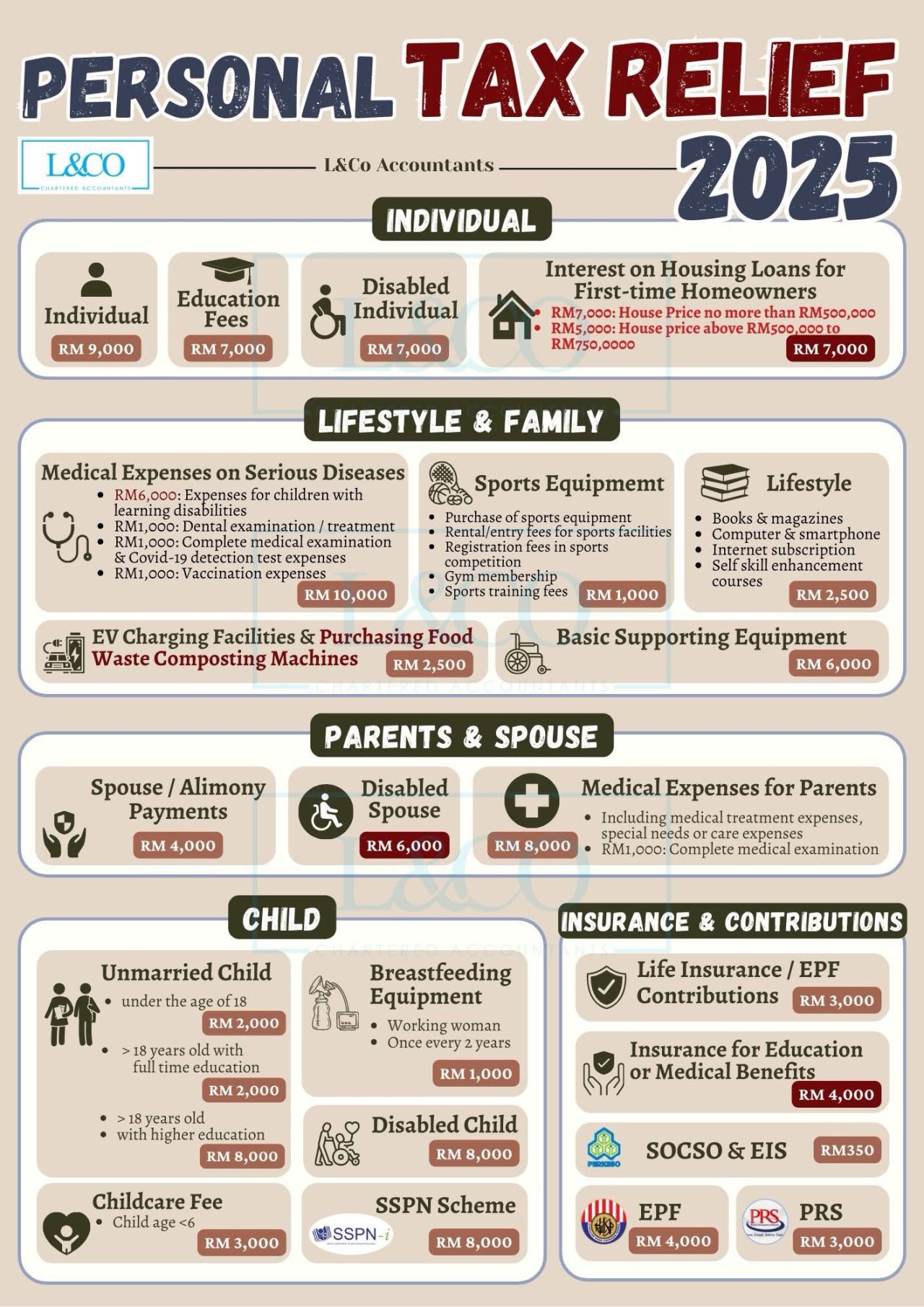
Perlepasan cukai tahun 2025

Berdasarkan maklumat pelepasan cukai individu 2025 yang diberikan, berikut adalah analisis kesan terhadap jurutera di Malaysia:

1.ย Pelepasan Individu dan Pendidikan

  • Pelepasan Individu RM9,000ย – memberi manfaat langsung kepada semua jurutera yang bekerja.

  • Pelepasan Yuran Pendidikan RM7,000ย – amat relevan untuk jurutera yang melanjutkan pelajaran dalam program pascasiswazah atau kursus profesional untuk meningkatkan kelayakan.

2.ย Pembelian Rumah Pertama

  • Pelepasan Faedah Pinjaman Perumahanย (RM5,000-RM7,000) – sangat membantu jurutera muda yang baru membeli rumah pertama, terutamanya dengan harga rumah sehingga RM750,000.

3.ย Pembangunan Profesional

  • Pelepasan Kursus Peningkatan Kemahiran (RM2,500)ย – penting untuk jurutera mengekalkan kompetensi dan mematuhi keperluan CPD (Continuous Professional Development).

  • Pelepasan Buku dan Majalahย – menyokong pembelajaran berterusan dalam bidang kejuruteraan.

4.ย Peralatan Teknologi

  • Pelepasan Komputer dan Smartphone (RM2,500)ย – membantu jurutera memiliki peralatan terkini untuk kerja kejuruteraan seperti CAD, analisis data, dan pengaturcaraan.

5.ย Kesihatan dan Kesejahteraan

  • Pelepasan Peralatan Sukan (RM1,000)ย – penting untuk mengekalkan kesihatan dalam profesion yang sering mengalami tekanan tinggi.

  • Pemeriksaan Perubatanย – membantu mengesan masalah kesihatan awal.

6.ย Keluarga dan Tanggungan

  • Pelepasan Anak (RM2,000-RM8,000)ย – membantu jurutera yang mempunyai tanggungan keluarga.

  • Pelepasan Penjagaan Anak (RM3,000)ย – relevan untuk jurutera yang mempunyai anak kecil.

7.ย Simpanan dan Pelaburan

  • Pelepasan EPF (RM4,000), PRS (RM3,000), SSPN (RM8,000)ย – menggalakkan penjimatan jangka panjang untuk persaraan.

Kesan Keseluruhan:

Pakej pelepasan cukai 2025 memberikan manfaat komprehensif kepada jurutera dari segi:

  • โœ… Mengurangkan beban cukai

  • โœ… Meningkatkan daya beli perumahan

  • โœ… Menyokong pembangunan profesional berterusan

  • โœ… Meningkatkan kesejahteraan hidup

  • โœ… Menggalakkan perancangan kewangan jangka panjang

Ini secara tidak langsung akan meningkatkan daya tarikan profesion kejuruteraan dan mengekalkan bakat dalam negara.

Monitor tenders through the system, address diesel cartel issues – UTM Study

SEPANG – Efforts to tackle the diesel fraud cartel by monopolizing tenders can be done if the procurement system is managed efficiently at every level.

Senior Lecturer at the Faculty of Chemical Engineering and Energy Engineering, Universiti Teknologi Malaysia (UTM), Dr Shaziera Omar said that cartels or middlemen usually consist of high-ranking individuals in the organizations involved.

https://www.sinarharian.com.my/article/748746/berita/semasa/pantau-tender-menerusi-sistem-tangani-isu-kartel-diesel—kajian-utmhttps://www.sinarharian.com.my/article/748746/berita/semasa/pantau-tender-menerusi-sistem-tangani-isu-kartel-diesel—kajian-utm

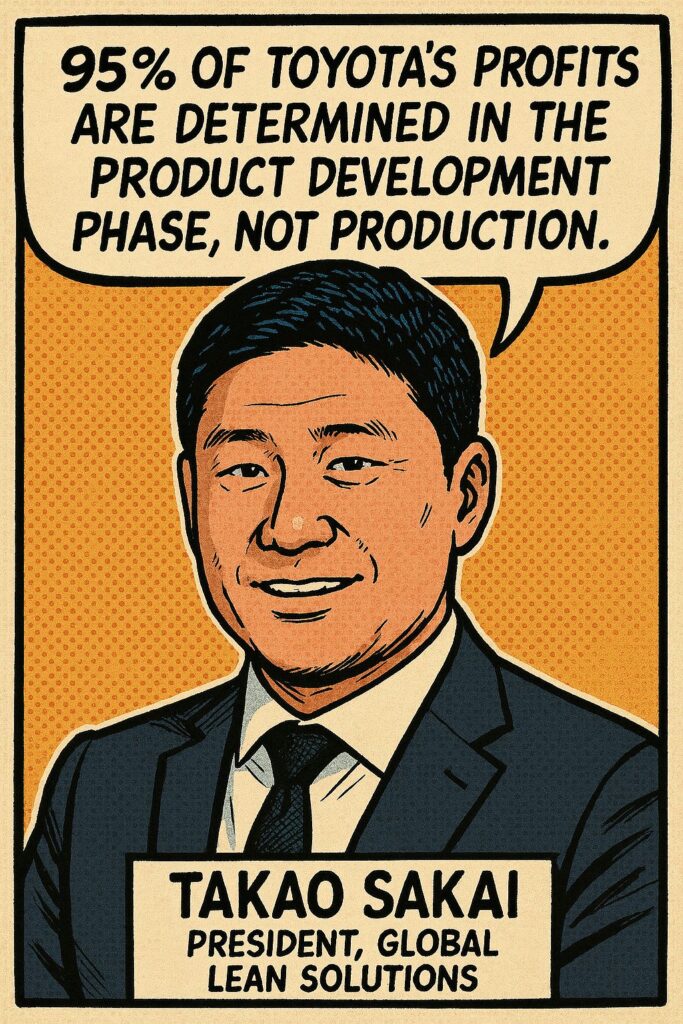
๐—ง๐—ผ๐˜†๐—ผ๐˜๐—ฎ’๐˜€ ๐—›๐—ถ๐—ฑ๐—ฑ๐—ฒ๐—ป ๐—ฆ๐˜๐—ฟ๐—ฒ๐—ป๐—ด๐˜๐—ต: ๐Ÿต๐Ÿฑ% ๐—ผ๐—ณ ๐—ฃ๐—ฟ๐—ผ๐—ณ๐—ถ๐˜๐˜€ ๐——๐—ฒ๐˜€๐—ถ๐—ด๐—ป๐—ฒ๐—ฑ ๐—ถ๐—ป ๐——๐—ฒ๐˜ƒ๐—ฒ๐—น๐—ผ๐—ฝ๐—บ๐—ฒ๐—ป๐˜

Why can’t other automakers surpass Toyota despite mastering its production system?

Since 1980s, manufacturers worldwide have benchmarked Toyota Production System (TPS). Production lead times now match Toyota’s, and TPS elements became global standards.
Yet Toyota maintains overwhelming advantage. Why?

๐—ฆ๐—ฎ๐—ธ๐—ฎ๐—ถ’๐˜€ ๐—•๐—ฟ๐—ฒ๐—ฎ๐—ธ๐˜๐—ต๐—ฟ๐—ผ๐˜‚๐—ด๐—ต ๐——๐—ถ๐˜€๐—ฐ๐—ผ๐˜ƒ๐—ฒ๐—ฟ๐˜†
Takao Sakai reveals:
“95% ๐˜ฐ๐˜ง ๐˜›๐˜ฐ๐˜บ๐˜ฐ๐˜ต๐˜ข’๐˜ด ๐˜ฑ๐˜ณ๐˜ฐ๐˜ง๐˜ช๐˜ต๐˜ด ๐˜ข๐˜ณ๐˜ฆ ๐˜ฅ๐˜ฆ๐˜ต๐˜ฆ๐˜ณ๐˜ฎ๐˜ช๐˜ฏ๐˜ฆ๐˜ฅ ๐˜ช๐˜ฏ ๐˜ต๐˜ฉ๐˜ฆ ๐˜ฑ๐˜ณ๐˜ฐ๐˜ฅ๐˜ถ๐˜ค๐˜ต ๐˜ฅ๐˜ฆ๐˜ท๐˜ฆ๐˜ญ๐˜ฐ๐˜ฑ๐˜ฎ๐˜ฆ๐˜ฏ๐˜ต ๐˜ฑ๐˜ฉ๐˜ข๐˜ด๐˜ฆ, ๐˜ฏ๐˜ฐ๐˜ต ๐˜ฑ๐˜ณ๐˜ฐ๐˜ฅ๐˜ถ๐˜ค๐˜ต๐˜ช๐˜ฐ๐˜ฏ.”

This challenges everything we thought about Toyota’s success.
Toyota’s philosophy: “๐—ฝ๐—ฟ๐—ผ๐—ฑ๐˜‚๐—ฐ๐—ถ๐—ป๐—ด ๐˜€๐—ฒ๐—น๐—น๐—ฎ๐—ฏ๐—น๐—ฒ ๐—ฝ๐—ฟ๐—ผ๐—ฑ๐˜‚๐—ฐ๐˜๐˜€ ๐—ถ๐—ป ๐˜๐—ต๐—ฒ ๐—ฟ๐—ถ๐—ด๐—ต๐˜ ๐—ผ๐—ฟ๐—ฑ๐—ฒ๐—ฟ, ๐—พ๐˜‚๐—ฎ๐—ป๐˜๐—ถ๐˜๐˜†, ๐˜๐—ถ๐—บ๐—ถ๐—ป๐—ด.”

-๐—ง๐—ฃ๐—— (๐—ง๐—ผ๐˜†๐—ผ๐˜๐—ฎ ๐—ฃ๐—ฟ๐—ผ๐—ฑ๐˜‚๐—ฐ๐˜ ๐——๐—ฒ๐˜ƒ๐—ฒ๐—น๐—ผ๐—ฝ๐—บ๐—ฒ๐—ป๐˜)ย creates “sellable products”
-๐—ง๐—ฃ๐—ฆย handles “producing efficiently”

Since 1970, TPD’s profit contribution exceeded TPS. By late 1980s, Toyota achieved 48-month development lead timesโ€”12 months shorter than competitors, developing twice as many models with half the engineering hours. The Prius’s 12-month development exemplified this mastery.

๐—ง๐—ต๐—ฒ ๐Ÿต๐Ÿฑ% ๐—ฅ๐˜‚๐—น๐—ฒ: ๐——๐—ฒ๐˜€๐—ถ๐—ด๐—ป ๐——๐—ฒ๐˜๐—ฒ๐—ฟ๐—บ๐—ถ๐—ป๐—ฒ๐˜€ ๐—˜๐˜ƒ๐—ฒ๐—ฟ๐˜†๐˜๐—ต๐—ถ๐—ป๐—ด
Toyota’s Chief Engineers are “product presidents” responsible for consumer value, profit margins, and the technology to realize bothโ€”like Steve Jobs, designers in the broadest sense.

Sakai’s key insight:
Value and cost are determined in early design stages. Later changes become impossibleโ€”like changing Christmas dinner after chopping ingredients.

Companies like Sharp (acquired by Foxconn) and Toshiba (accounting scandals) lost humility to learn, mirroring American auto industry’s decline. Jeffrey Liker identified Toyota’s advantage: treating development as a standardized process with PDCA cycles and waste elimination.

๐—ง๐—ต๐—ฒ ๐—จ๐—น๐˜๐—ถ๐—บ๐—ฎ๐˜๐—ฒ ๐—Ÿ๐—ฒ๐˜€๐˜€๐—ผ๐—ป
Prius chief engineer Takeshi Uchiyamada brought all teams together in “Obeya” for transparency and speedโ€”contributing to 12-month development success.

Old Mikawa* saying: “Making things that don’t sell is a crime.”

๐—ฆ๐—ฎ๐—ธ๐—ฎ๐—ถ’๐˜€ ๐—ฐ๐—ผ๐—ป๐—ฐ๐—น๐˜‚๐˜€๐—ถ๐—ผ๐—ป:
๐—ง๐—ฃ๐—ฆ ๐˜„๐—ถ๐˜๐—ต๐—ผ๐˜‚๐˜ ๐—ง๐—ฃ๐—— ๐—น๐—ฒ๐—ฎ๐—ฑ๐˜€ ๐—ป๐—ผ๐˜„๐—ต๐—ฒ๐—ฟ๐—ฒ.ย When 95% of profits are determined before production begins, real competitive advantage lies in superior product development systems, not manufacturing efficiency.

๐—ค๐˜‚๐—ฒ๐˜€๐˜๐—ถ๐—ผ๐—ป ๐—ณ๐—ผ๐—ฟ ๐—ฟ๐—ฒ๐—ณ๐—น๐—ฒ๐—ฐ๐˜๐—ถ๐—ผ๐—ป:
-What percentage of your organization’s resources and leadership attention goes to product development versus production optimization?
-Are you designing tomorrow’s success or just perfecting yesterday’s processes?

*Mikawa: historical region in eastern Aichi Prefecture where Toyota is headquartered

Adakah di negara China mereka memandang penting adanya pangkat atau gelaran seperti Ir, Dr, Ts, Professor, Dato or Tan Sri?

Di China, cara orang melihat pangkat atau gelaran agak berbeza berbanding di Malaysia. Secara umum:

  1. Akademik & Profesional

    • Gelaran Dr. (ๅšๅฃซ, bรณshรฌ) untuk PhD memang dihormati, tapi penggunaan dalam kehidupan seharian tak seformal di Malaysia. Biasanya hanya dipakai dalam konteks akademik, penyelidikan, atau rasmi.

    • Gelaran Professor (ๆ•™ๆŽˆ, jiร oshรฒu) sangat dihormati dalam dunia akademik, dan statusnya tinggi, hampir sama dengan di negara lain.

    • Gelaran profesional seperti Ir. (jurutera bertauliah) atau Ts. (teknologis) tidak digunakan di China. Jurutera dipanggil ๅทฅ็จ‹ๅธˆ (gลngchรฉngshฤซ), tapi lebih kepada jawatan pekerjaan, bukan gelaran rasmi depan nama.

  2. Pangkat Kehormat / Sosial

    • Gelaran seperti Datoโ€™ atau Tan Sri (yang wujud di Malaysia kerana sistem anugerah diraja) tiada dalam budaya China.

    • Yang lebih penting ialah jawatan rasmi dalam kerajaan/parti. Contohnya, “ไนฆ่ฎฐ” (shลซjรฌ, Setiausaha Parti), “ๅฑ€้•ฟ” (jรบzhวŽng, Ketua Jabatan), “้ƒจ้•ฟ” (bรนzhวŽng, Menteri). Orang lebih dihormati kerana kedudukan politik atau pentadbiran berbanding gelaran kehormat.

  3. Budaya Harian

    • Dalam urusan sosial dan kerja, orang di China lebih biasa memanggil seseorang dengan jawatan (่Œไฝ) atau hubungan kerja, contohnya: “ๅผ ๆ€ป” (Zhฤng Zว’ng = Pengarah Zhang), “ๆŽ็ป็†” (Lว Jฤซnglว = Pengurus Li).

    • Jadi, hormat datang daripada jawatan semasa dan pengaruh, bukan sangat daripada gelaran kehormat macam di Malaysia.

๐Ÿ“Œ Kesimpulan:
Di China, mereka memang menghargai gelaran akademik seperti Dr. atau Professor, tapi gelaran profesional macam Ir./Ts. dan kehormatan seperti Datoโ€™/Tan Sri tidak ada nilai budaya di sana. Yang lebih penting ialah jawatan rasmi dalam kerajaan, parti, atau syarikat.

Jenis Gelaran / PangkatMalaysiaChina
Akademik (Dr., Professor)Sangat dihormati, selalu digunakan dalam urusan rasmi & sosial.Dihormati, tapi lebih digunakan dalam bidang akademik/rasmi, jarang dalam kehidupan seharian.
Profesional (Ir., Ts.)Ada pengiktirafan rasmi, digunakan depan nama sebagai status profesional.Tiada gelaran setara; hanya disebut sebagai jawatan (ๅทฅ็จ‹ๅธˆ = jurutera).
Kehormat (Datoโ€™, Tan Sri, Tun)Sangat berprestij, jadi tanda status sosial & dihormati dalam masyarakat.Tiada sistem anugerah sebegini; penghormatan lebih pada kedudukan politik atau pentadbiran.
Jawatan Politik / KerajaanDihormati, tapi anugerah kehormat lebih menyerlah dalam masyarakat.Sangat penting; status utama datang daripada jawatan rasmi (ไนฆ่ฎฐ, ้ƒจ้•ฟ, ๅฑ€้•ฟ, ๆ€ป).
Panggilan dalam urusan kerjaBiasanya ikut gelaran rasmi (Ir., Dr., Datoโ€™).Biasanya ikut jawatan + nama keluarga, contoh: ๅผ ๆ€ป (Pengarah Zhang), ๆŽ็ป็† (Pengurus Li).
Budaya SosialGelaran kehormat & profesional dianggap sebahagian identiti.Gelaran akademik/jawatan rasmi lebih penting; status sosial banyak ditentukan oleh kedudukan & pengaruh.

Ringkasnya:

  • Malaysia = Gelaran kehormat & profesional sangat ditekankan.

  • China = Jawatan & kedudukan semasa lebih dihormati daripada gelaran.

Saya buatkan contoh situasi real-life untuk banding cara Malaysia vs China memperkenalkan seseorang dalam majlis rasmi.

Situasi 1: Seminar Akademik

  • Malaysia:
    โ€œDengan segala hormatnya, saya menjemput Profesor Ir. Dr. Ahmad, FASc, sebagai penceramah utama kita hari ini.โ€
    ๐Ÿ‘‰ Semua gelaran disebut kerana melambangkan pencapaian & status.

  • China:
    โ€œๆˆ‘ไปฌๆœ‰ๅนธ้‚€่ฏทๅˆฐๅŒ—ไบฌๅคงๅญฆ็š„ๅผ ๆ•™ๆŽˆไธบๆˆ‘ไปฌไธป่ฎฒใ€‚โ€ (Kami berbesar hati menjemput Profesor Zhang dari Universiti Peking untuk memberi ucapan.)
    ๐Ÿ‘‰ Hanya gelaran akademik/jawatan disebut, tidak panjang berjela.

Situasi 2: Majlis Korporat

  • Malaysia:
    โ€œTerimalah ucapan alu-aluan daripada Yang Berbahagia Datoโ€™ Sri Ir. Haji Mohd Ali, Pengarah Urusan Syarikat XYZ.โ€
    ๐Ÿ‘‰ Semua gelaran & anugerah kehormat digunakan sebelum jawatan.

  • China:
    โ€œไธ‹้ขๆœ‰่ฏทๅผ ๆ€ป่‡ด่พžใ€‚โ€ (Seterusnya, kita menjemput Pengarah Zhang memberi ucapan.)
    ๐Ÿ‘‰ Ringkas, biasanya hanya nama keluarga + jawatan (ๆ€ป = General Manager/Pengarah).


Situasi 3: Mesyuarat Rasmi Kerajaan

  • Malaysia:
    โ€œYang Amat Berhormat Perdana Menteri, Datoโ€™ Seri Anwar Ibrahimโ€ฆโ€
    ๐Ÿ‘‰ Protokol rasmi penuh dengan gelaran.

  • China:
    โ€œๅ›ฝๅŠก้™ขๆ€ป็†ๆŽๅผบๅŒๅฟ—โ€ฆโ€ (Perdana Menteri Majlis Negeri, Li Qiang, Comradeโ€ฆ)
    ๐Ÿ‘‰ Fokus pada jawatan rasmi, tambah โ€œๅŒๅฟ—โ€ (tรณngzhรฌ = rakan seperjuangan/komrad) sebagai panggilan formal.


๐Ÿ“Œ Kesimpulan:

  • Malaysia suka highlight semua gelaran (akademik + profesional + kehormat).

  • China lebih straight to the point, hanya guna jawatan + nama keluarga, gelaran kehormat hampir tiada.

Saya senaraikan pantang larang & protokol bila berurusan dengan orang China, khususnya dalam mesyuarat, perniagaan, atau majlis rasmi:


Apa yang Patut Dibuat (Doโ€™s)

  1. Guna nama keluarga + jawatan

    • Contoh: ๅผ ๆ€ป (Zhฤng Zว’ng = Pengarah Zhang), ๆŽ็ป็† (Lว Jฤซnglว = Pengurus Li).

    • Mereka lebih suka dipanggil ikut jawatan + nama keluarga daripada nama penuh.

  2. Guna โ€œProfesorโ€ atau โ€œDoktorโ€ hanya bila relevan

    • Dalam majlis akademik: ๅผ ๆ•™ๆŽˆ (Profesor Zhang), ็Ž‹ๅšๅฃซ (Dr. Wang).

    • Jangan campur terlalu banyak gelaran, cukup satu yang sesuai.

  3. Gunakan perkataan โ€œๆ‚จโ€ (nรญn) bila bercakap secara sopan

    • Ini versi hormat untuk โ€œandaโ€ berbanding โ€œไฝ โ€ (nว).

  4. Hormat senioriti & kedudukan

    • Paling senior/berjawatan tinggi biasanya duduk atau bercakap dahulu.

    • Pastikan susunan tempat duduk ikut hierarki.

  5. Beri kad nama dengan dua tangan

    • Letakkan kad nama dengan tulisan Cina menghadap penerima.

    • Terima kad nama dengan dua tangan, baca sekejap, baru simpan.


Apa yang Perlu Dielakkan (Donโ€™ts)

  1. Jangan panggil nama kecil (given name) secara langsung

    • Contoh: memanggil โ€œWeiโ€ sahaja dianggap terlalu rapat/kurang sopan.

    • Kecuali dia sendiri minta.

  2. Jangan guna gelaran Barat secara berlebihan

    • Contoh: โ€œDr. Prof. Mr. Liโ€ โ€” pelik & tak sesuai.

  3. Elakkan panggilan macam โ€œDatoโ€™, Tan Sriโ€

    • Mereka tiada sistem ini, jadi kurang difahami & tak beri impak.

  4. Jangan hulur kad nama atau hadiah dengan sebelah tangan

    • Itu dianggap kurang sopan.

  5. Jangan letak kedudukan individu lebih rendah daripada status sebenar

    • Contoh: tersalah susun tempat duduk, letak pengarah di belakang staf bawahan.


Kesimpulan ringkas:

  • Malaysia: lebih formal dengan gelaran penuh (Datoโ€™, Ir., Dr., dsb).

  • China: lebih formal dengan jawatan + nama keluarga, bukan gelaran kehormat.

Lembaga Jurutera Malaysia